这不是一本用来决定能不能吃的图鉴。这些图只是展示一种植物大致长什么样,不能用来确认某株野生植物可以安全食用或使用。许多植物都有有毒的相似种。除非有真正认识它的人当面确认了身份,否则不要吃、不要泡、也不要外用任何野生植物。这里的内容都不构成医疗建议。
每种植物都带有一个安全等级:
🟢 温和——日常厨房与茶饮植物,以及容易上手的可食植物。 🟡 强效——有实实在在的注意事项:先煮熟、只用小剂量,或者小心处理。 🔴 敬畏——有毒或仅限行家。看看就好,不要使用。
种植区按你的账户匹配。熬不过你这里冬天的植物会显示为灰色——切换开关即可看到全部。
逐一细看每种植物
| 植物 | 种植区 | 等级 | 适合用来 | 注意事项 |
|---|---|---|---|---|
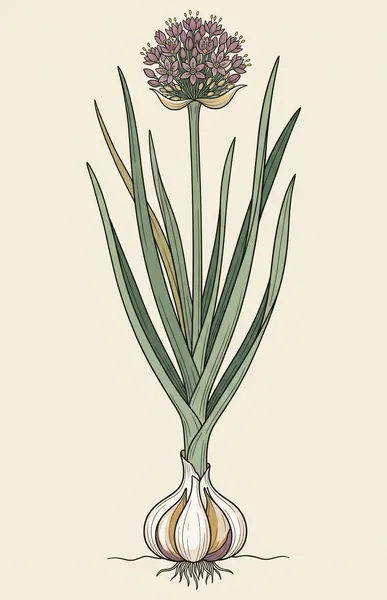 大蒜(garlic) 大蒜(garlic) |
3–9 | 🟢 | 厨房必备:鳞茎、青蒜叶和春天的蒜薹 | 真正的多面手。没什么需要留心的。 |
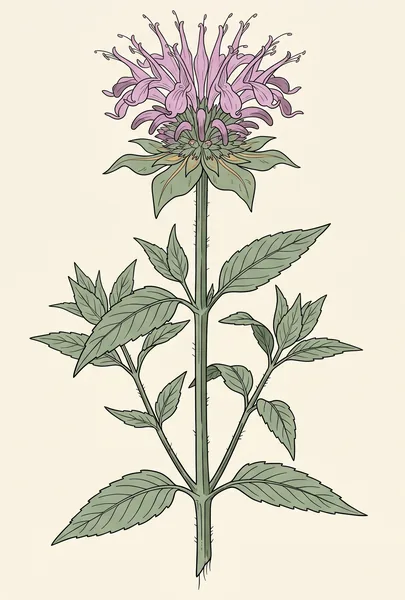
| 美国薄荷(bee balm、wild bergamot) |
3–9 | 🟢 | 芳香的花草茶,也是一流的传粉者植物;带薄荷与牛至的气味 | 靠匍匐茎蔓延——给它留出空间,或者把苗床做边。 |
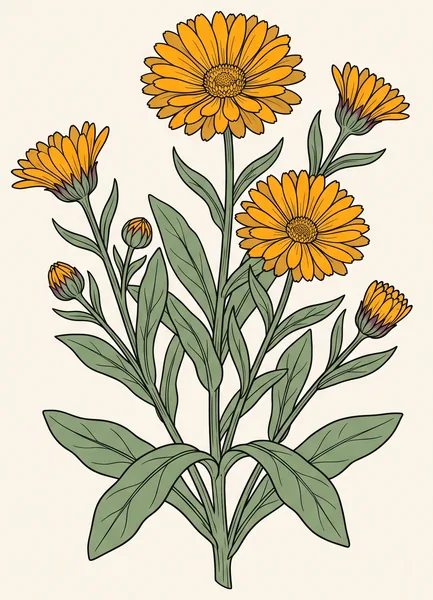 金盏花(calendula) 金盏花(calendula) |
2–11 | 🟢 | 可食的花瓣,也是护肤软膏的经典原料 | 对菊科或豚草过敏严重的人要少用。 |
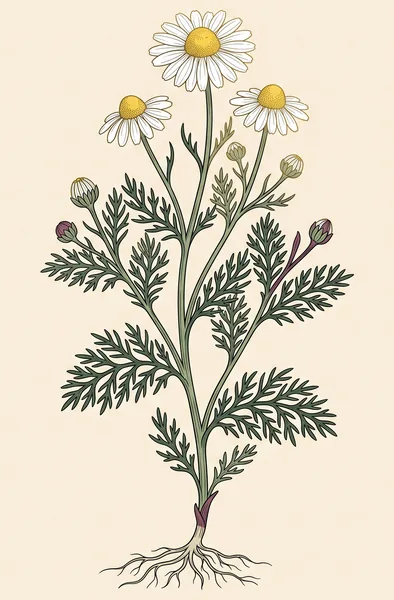 洋甘菊(chamomile) 洋甘菊(chamomile) |
2–11 | 🟢 | 用干花泡的安神茶 | 对豚草过敏的人可能会有反应。 |
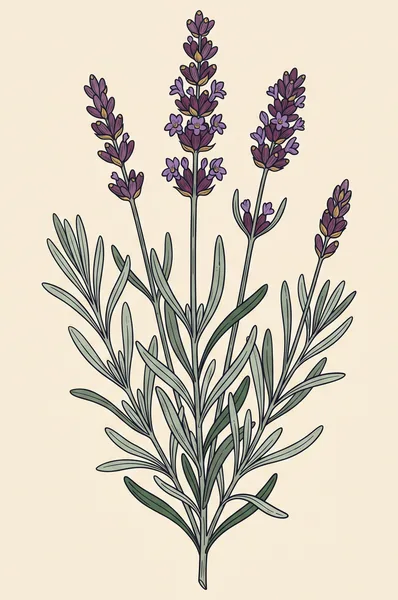 薰衣草(lavender) 薰衣草(lavender) |
5–9 | 🟢 | 香气、花草茶与烘焙;蜜蜂的最爱 | 需要排水极好的土——在潮湿黏土里会烂根。 |
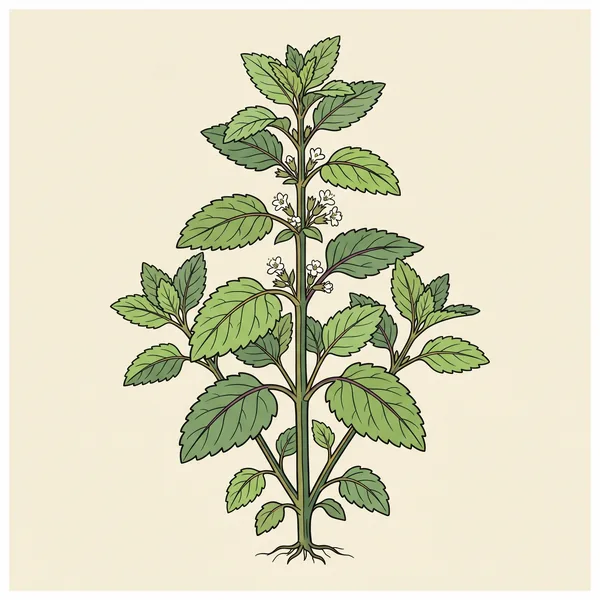 香蜂草(lemon balm) 香蜂草(lemon balm) |
4–9 | 🟢 | 带柠檬香、让人放松又提振心情的花草茶 | 蔓延起来毫无节制——把它圈住,否则整畦都是它。 |
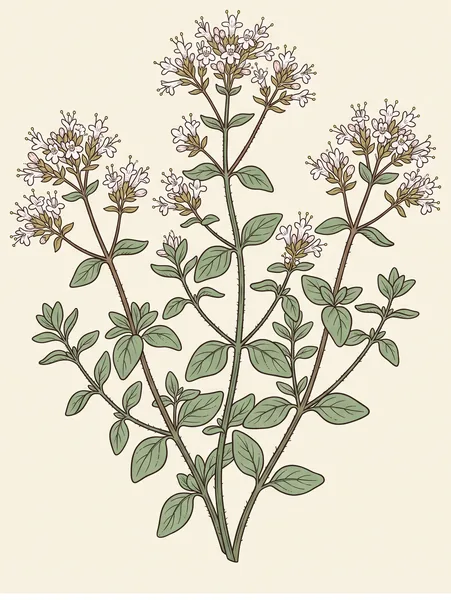 牛至(oregano) 牛至(oregano) |
4–10 | 🟢 | 厨房香草;干的比鲜的味道更浓 | 会摊开生长;修剪一下就能保持整齐。 |
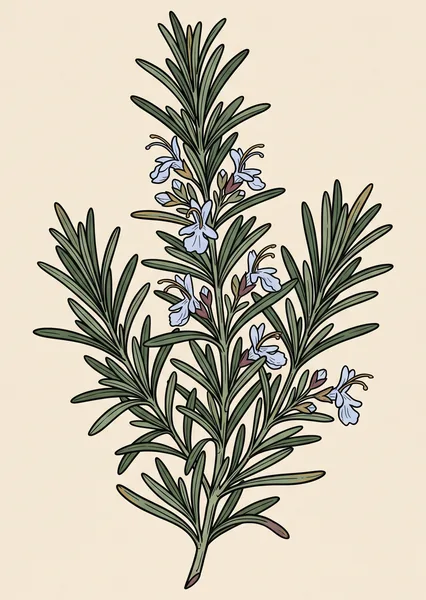 迷迭香(rosemary) 迷迭香(rosemary) |
7–10 | 🟢 | 常绿厨房香草,适合烤肉和面包 | 7 区以下不耐冬——种在盆里,冬天搬进屋。 |
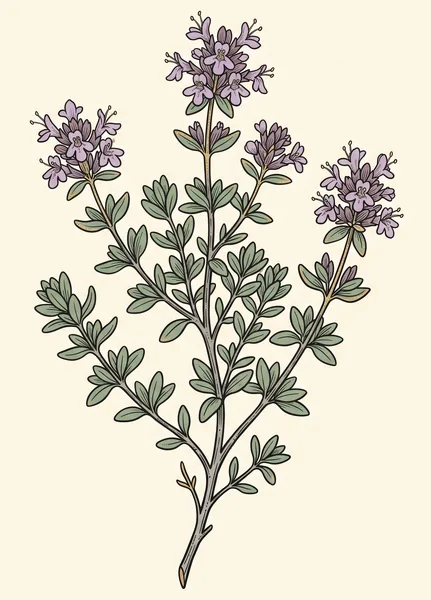 百里香(thyme) 百里香(thyme) |
4–9 | 🟢 | 厨房香草与温和的花草茶;也可以当地被植物 | 厨房用量下没什么特别要注意的。 |
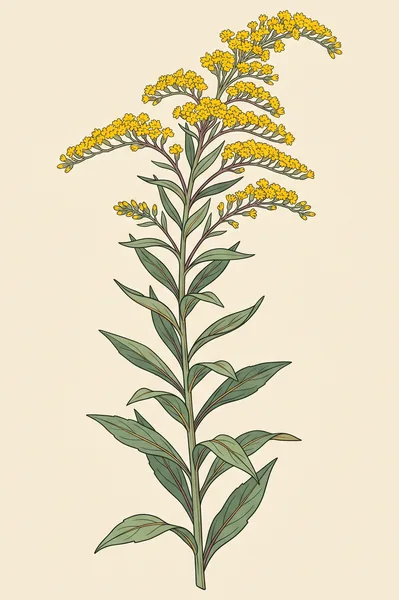 一枝黄花(goldenrod) 一枝黄花(goldenrod) |
3–9 | 🟢 | 花草茶,也是季末传粉者的盛宴 | 它并不会引起花粉症(那是豚草)——不过对菊科过敏的人还是悠着点。 |
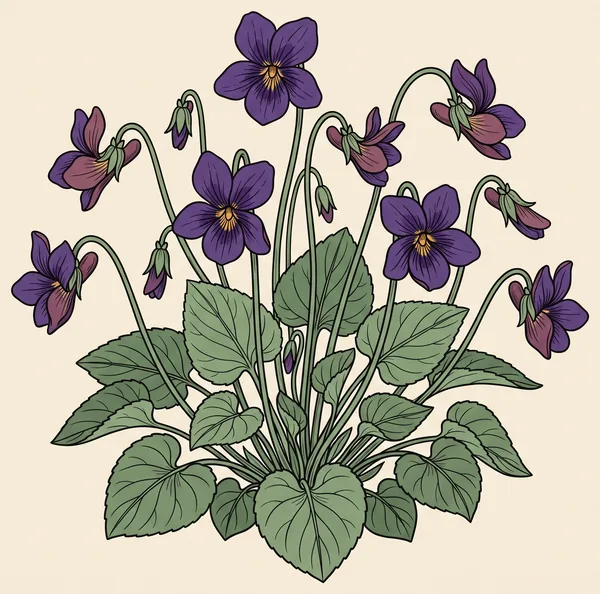 Blue violet(蓝堇菜) Blue violet(蓝堇菜) |
3–9 | 🟢 | 可食的花与叶;放进沙拉里很好看 | Only true wild violets — African violets are unrelated and not edible. |
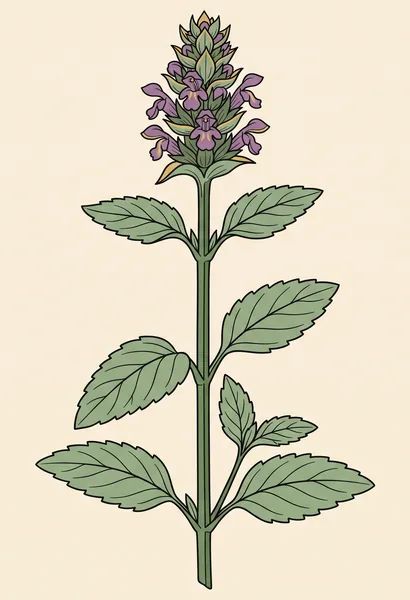 夏枯草(self-heal) 夏枯草(self-heal) |
3–9 | 🟢 | 温和的可食野菜与花草茶;老辈用的伤口药草 | 性质温和;在草坪里蔓延得不算快。 |
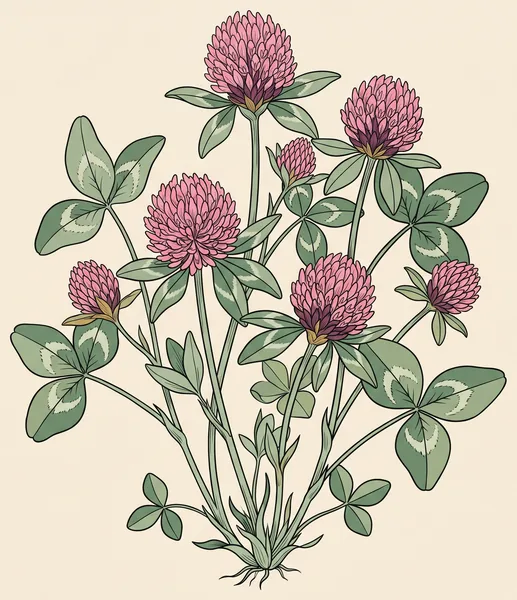 Red clover(红三叶草) Red clover(红三叶草) |
3–10 | 🟢 | 可食的花与花草茶;固氮的覆盖作物 | Large medicinal doses aren't for pregnancy or with blood thinners. |
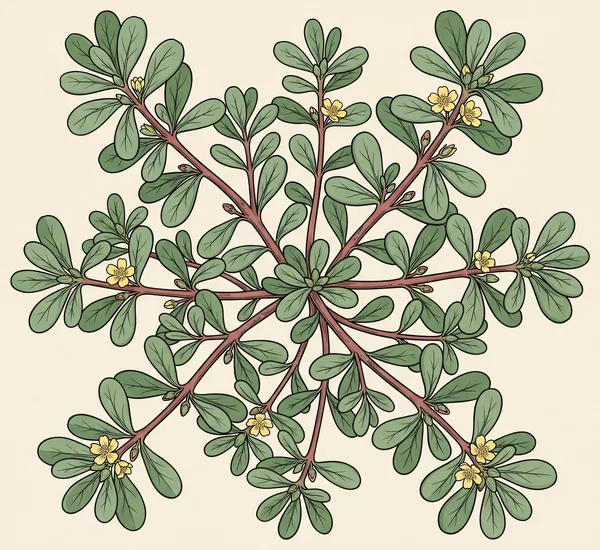 Purslane(马齿苋) Purslane(马齿苋) |
2–11 | 🟢 | 多汁带柠檬味的野菜——富含 omega-3 | Don't confuse with toxic spurge, which bleeds a white sap when snapped. |
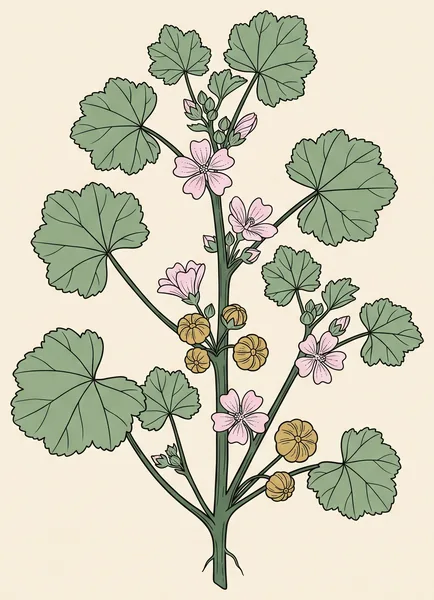 野葵(common mallow) 野葵(common mallow) |
3–10 | 🟢 | 温和可食的叶片,以及像“小奶酪轮”一样有润滑感的种子 | 常见的草坪杂草——洗干净就行。 |
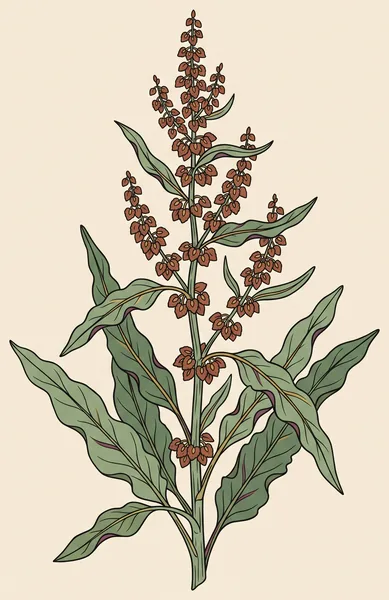 Curly dock(皱叶酸模) Curly dock(皱叶酸模) |
3–9 | 🟢 | 嫩叶像菠菜一样煮着吃;带宜人的酸味 | High in oxalates — eat cooked and in moderation. |
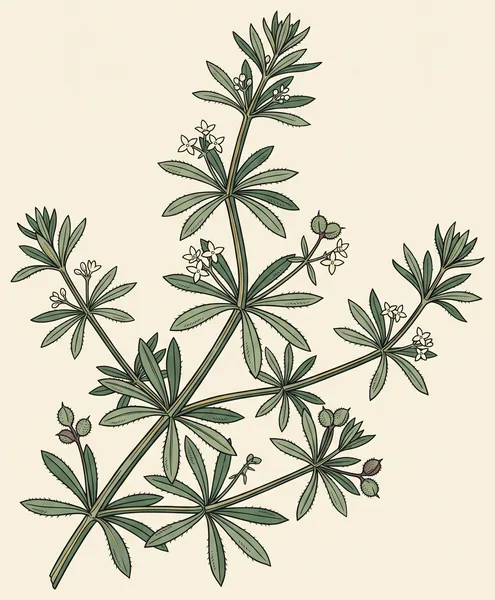 猪殃殃(cleavers) 猪殃殃(cleavers) |
2–11 | 🟢 | 春天的调理花草茶;就是那种黏人的“粘粘草” | 趁嫩最好——老了会变得粗纤维又黏人。 |
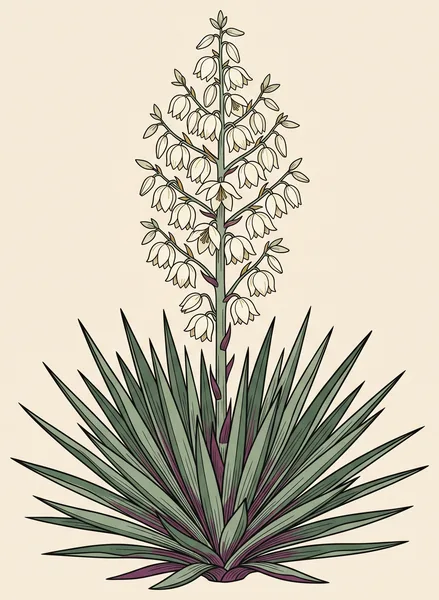 丝兰(yucca) 丝兰(yucca) |
4–11 | 🟢 | 可食的花与果;根部可取纤维和皂素 | 叶尖像针一样锋利——在旁边除草时当心眼睛。 |
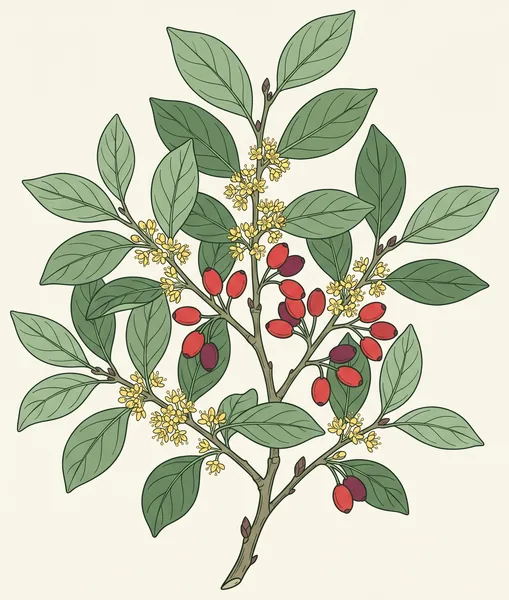 美洲山胡椒(spicebush) 美洲山胡椒(spicebush) |
4–9 | 🟢 | 芳香浆果可作类似多香果的调料;叶片可泡茶 | 只采成熟的红色浆果。 |
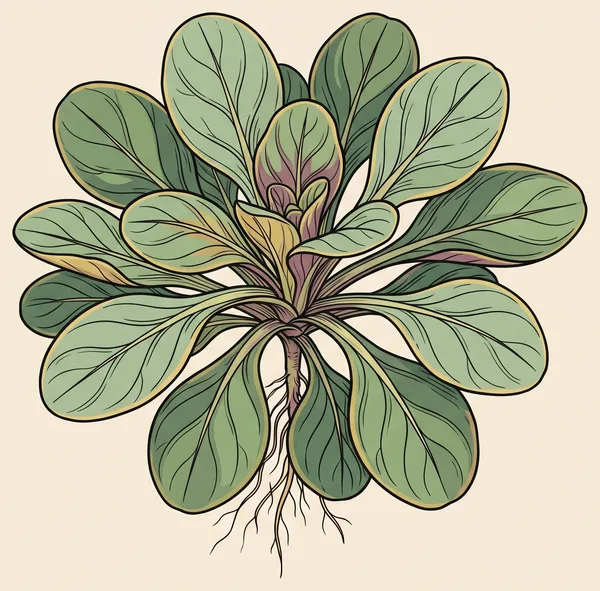 野苣(mache、corn salad) 野苣(mache、corn salad) |
2–11 | 🟢 | 柔嫩带坚果味的冷季沙拉菜 | 完全温和——最容易种的沙拉菜之一。 |
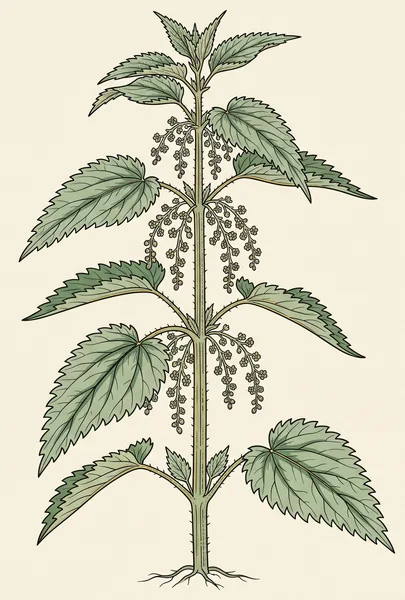 Stinging nettle(荨麻) Stinging nettle(荨麻) |
3–10 | 🟡 | 去掉蜇刺之后,是极好的熟食青菜和调理茶 | Stings on contact — wear gloves, and always cook or dry before eating. |
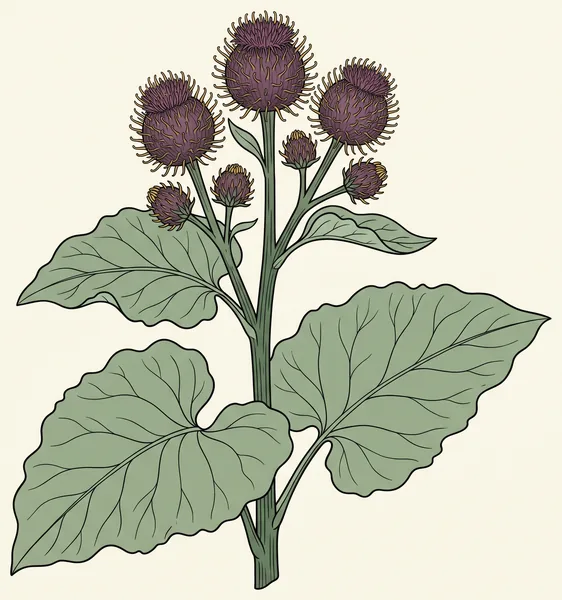 Burdock(牛蒡) Burdock(牛蒡) |
2–10 | 🟡 | 可食的根(牛蒡)与传统的调理药材 | Dig with care — first-year rosettes resemble toxic foxglove and belladonna. Know your plant. |
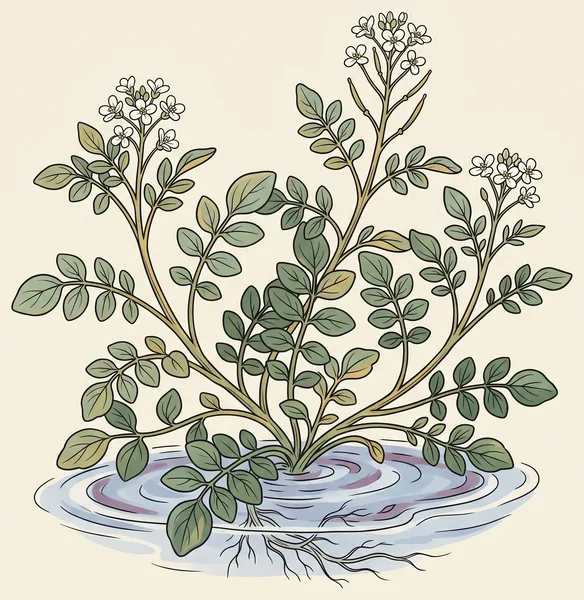 Watercress(西洋菜) Watercress(西洋菜) |
3–11 | 🟡 | 带辛辣味、维生素丰富的可食青菜 | Wild: only from clean water, and never confuse it with water hemlock or fool's watercress (toothed leaflets, umbrella-shaped flower clusters). Cook if unsure of the source. |
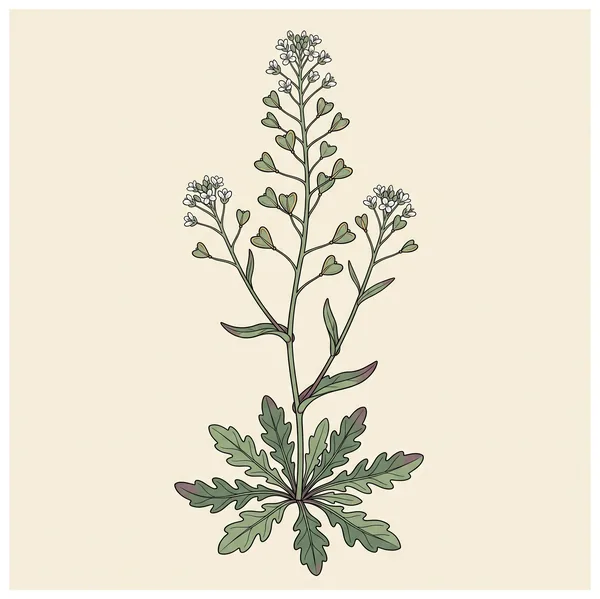 Shepherd's purse(荠菜) Shepherd's purse(荠菜) |
2–11 | 🟡 | 可食的辛辣叶片;民间的止血草药 | Strong action on circulation — not in pregnancy or with heart medication. |
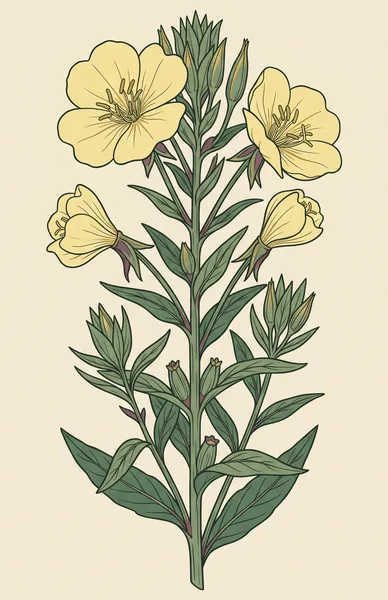 Evening primrose(月见草) Evening primrose(月见草) |
4–9 | 🟡 | 可食的根与嫩芽;种子油是知名的膳食补充剂 | The oil can interact with blood thinners and seizure medication. |
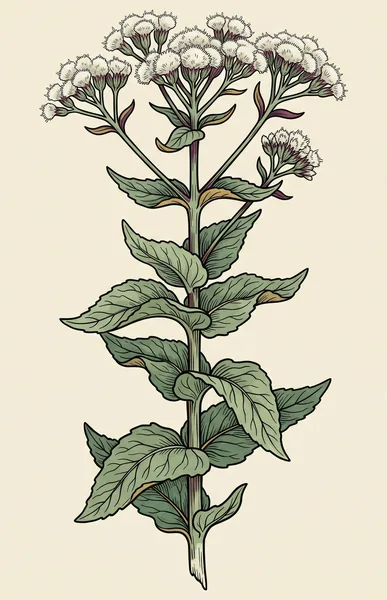 Boneset(贯叶泽兰) Boneset(贯叶泽兰) |
3–8 | 🟡 | 传统的退热与增强免疫草药 | Not a food. Contains liver-toxic alkaloids — short-term use only; not in pregnancy. The fresh plant can nauseate. |
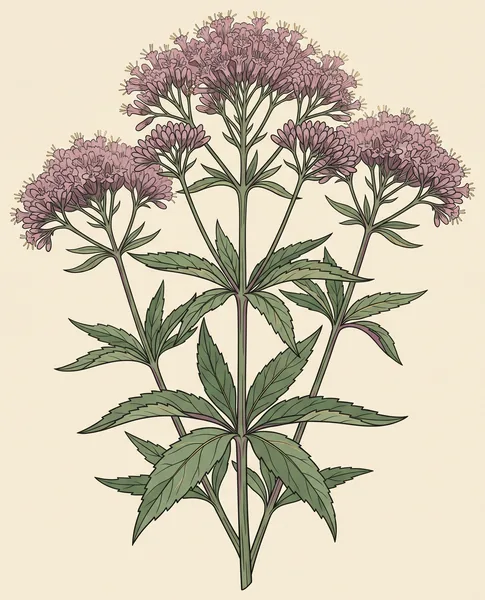 Joe-Pye weed(紫泽兰) Joe-Pye weed(紫泽兰) |
3–9 | 🟡 | 传粉者的大块头,根部有民间药用价值 | Medicinal use is potent and best left to those who know it; skip in pregnancy. |
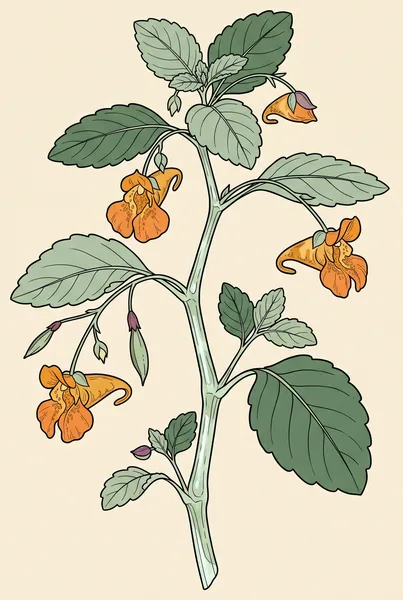 Jewelweed(水金凤) Jewelweed(水金凤) |
2–11 | 🟡 | 对付毒漆藤皮疹和蚊虫叮咬的经典外用植物 | Topical only — it's a remedy to rub on, not a food. |
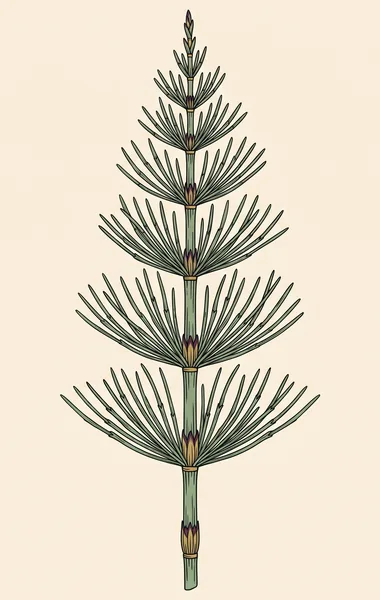 Horsetail(问荆) Horsetail(问荆) |
3–11 | 🟡 | 矿物质丰富的花草茶,也可做菜园抗真菌喷剂 | Contains thiaminase — short courses only; and it's aggressively invasive. |
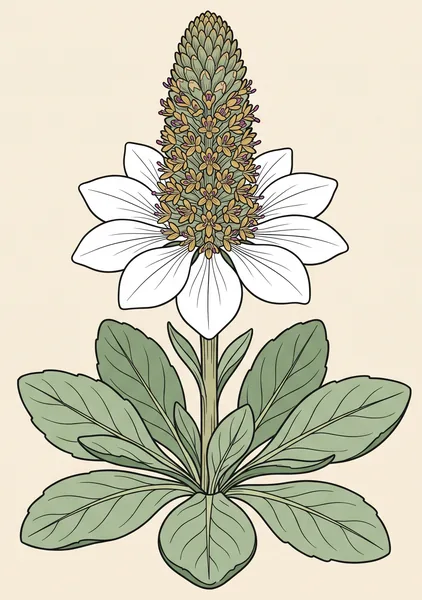 Yerba mansa Yerba mansa |
6–9 | 🟡 | 美国西南部的一种民间药用根 | 强效收敛,是行家才用的草药——不是随便喝的茶。 |
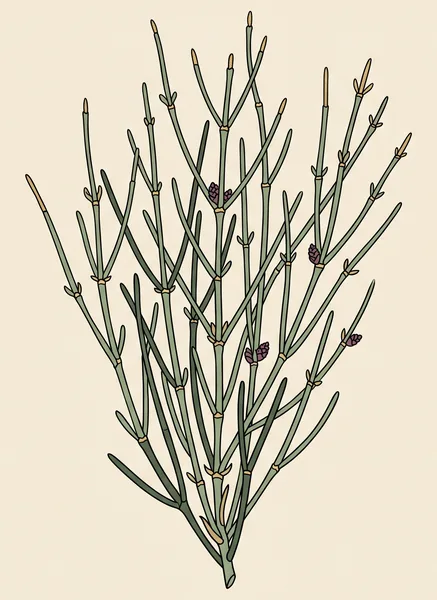 Mormon tea(摩门茶,麻黄属) Mormon tea(摩门茶,麻黄属) |
5–10 | 🟡 | 用分节的茎泡出的沙漠茶 | It's a mild stimulant (ephedra family) — go easy, and skip it with heart or blood-pressure issues. |
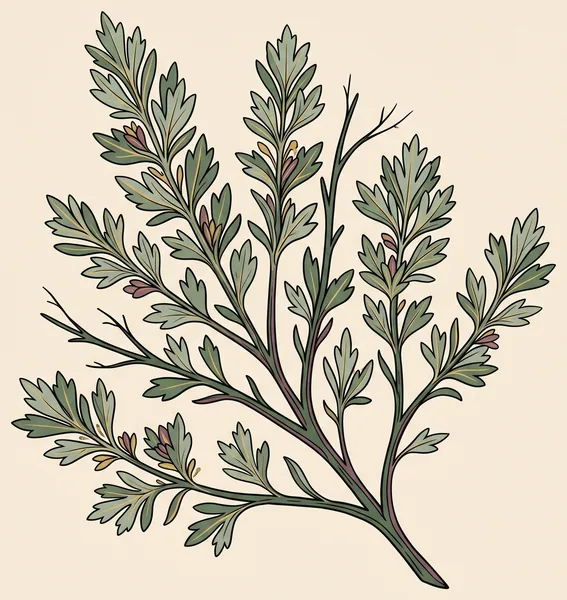 Big sagebrush(三齿蒿) Big sagebrush(三齿蒿) |
4–10 | 🟡 | 芳香的沙漠灌木,用于烟熏净化和民间洗剂 | Strong oils — not for internal use, and not the "sage" of the kitchen. |
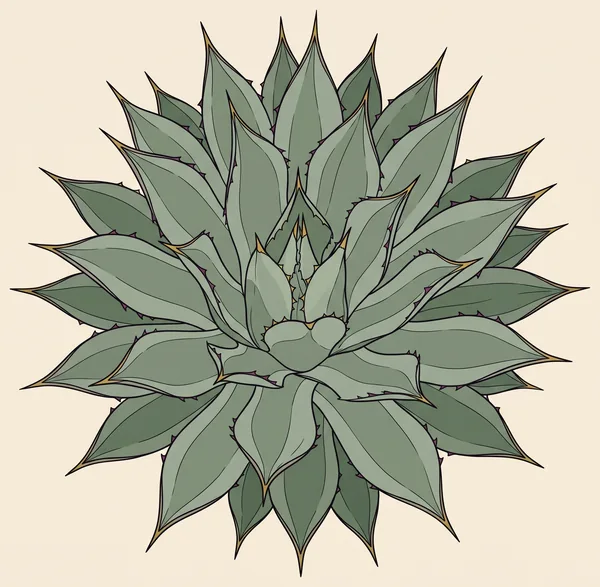 Agave(龙舌兰) Agave(龙舌兰) |
8–11 | 🟡 | 纤维、煮熟茎心做的甜味剂,以及旱园里很抢眼的一株 | Raw sap stings skin and mouth (needle-like oxalate crystals) — it must be cooked. 尖刺锋利。 |
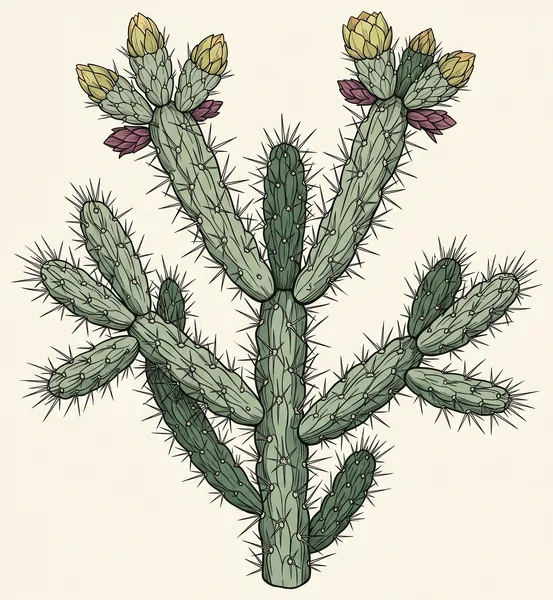 白磷杆(cholla cactus) 白磷杆(cholla cactus) |
8–11 | 🟡 | 可食的花蕾(去刺煮熟);沙漠野生动物的栖息地 | 带倒钩的小刺极难处理——加工时要格外小心。 |
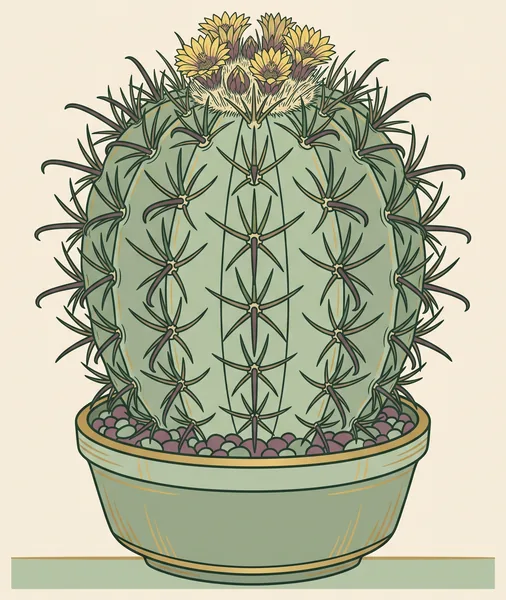 金琥类桶形仙人掌(barrel cactus) 金琥类桶形仙人掌(barrel cactus) |
9–11 | 🟡 | 沙漠求生传说——能用的是果实,不是“水” | “喝桶里的水”这个说法是假的:果肉发苦,还可能让你生病。刺带倒钩。 |
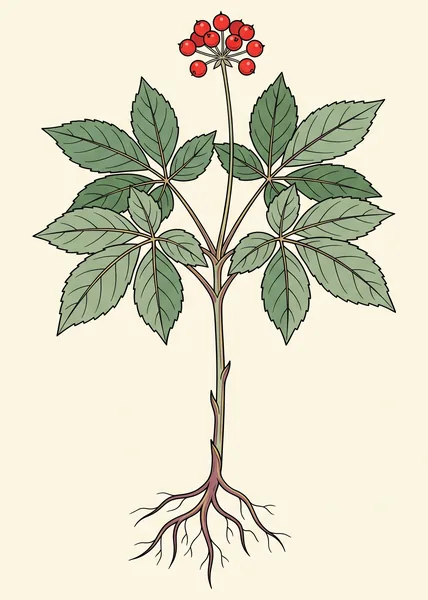 American ginseng(西洋参) American ginseng(西洋参) |
3–7 | 🟡 | 珍贵的林地适应原根 | 野生种群已受威胁——请买人工栽培的,绝不要去野外挖;real dosing and drug-interaction cautions. |
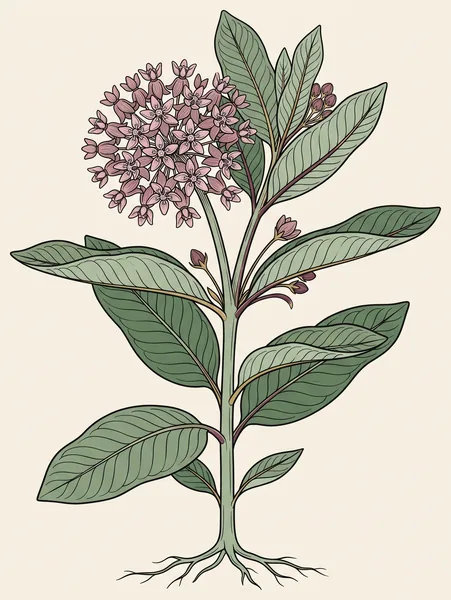 Milkweed(马利筋) Milkweed(马利筋) |
3–9 | 🟡 | 帝王蝶不可或缺的寄主植物 | Grow it for butterflies, not the plate — parts are toxic raw and it resembles toxic dogbane. |
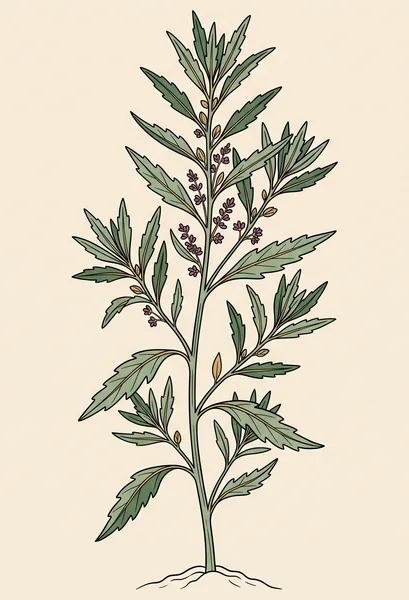 Epazote(土荆芥) Epazote(土荆芥) |
8–11 | 🟡 | 墨西哥用来配豆子和玉米饼的厨房香草 | Use small culinary amounts only — the concentrated oil is toxic, and not for pregnancy. |
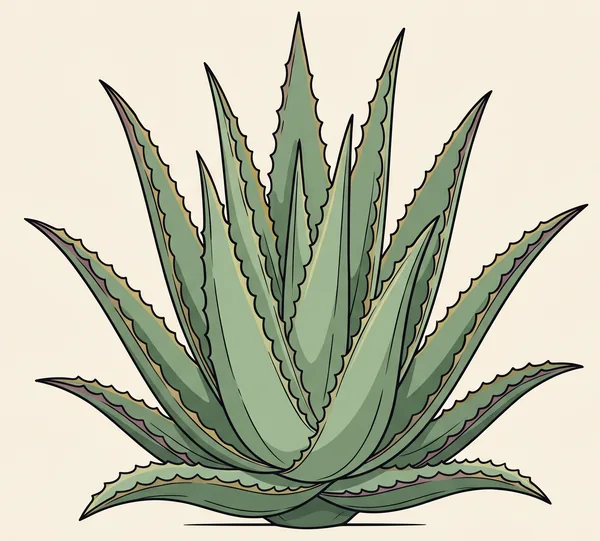 Aloe vera(芦荟) Aloe vera(芦荟) |
9–11 | 🟡 | 轻微烧烫伤和擦伤的外用凝胶;好养的盆栽多肉 | Topical only — never eat the raw leaf; the sap under the skin is a harsh laxative. 9 区以下无法露地越冬。 |
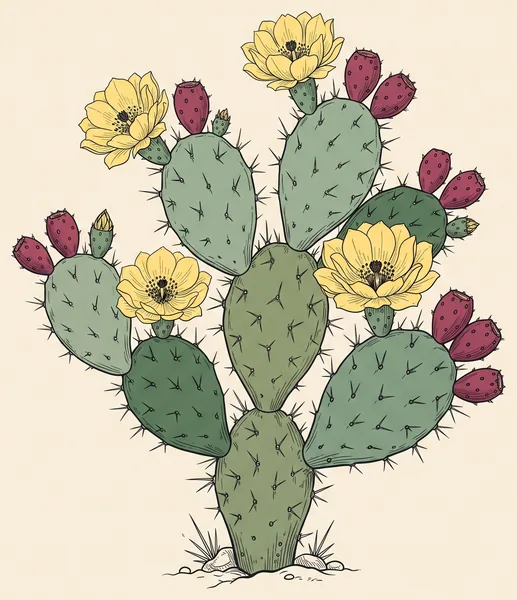 仙人掌(prickly pear) 仙人掌(prickly pear) |
4–11 | 🟡 | 可食的茎片(nopales)与香甜的果实(tunas);耐旱又皮实 | 用夹子拿——细小的倒钩刺比大刺更难缠。先烧掉或削掉它们。 |
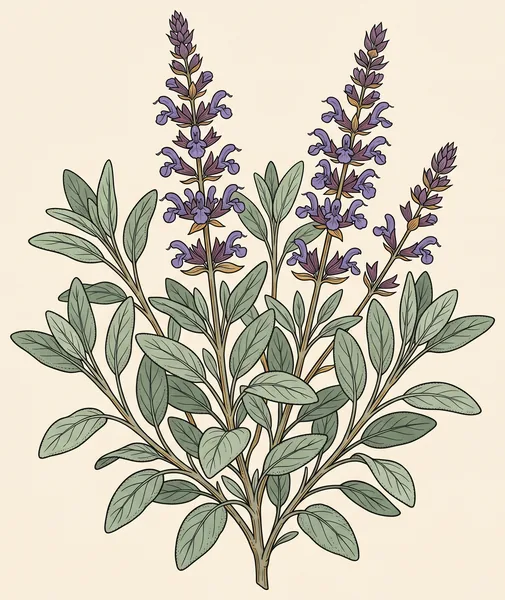 Garden sage(药用鼠尾草) Garden sage(药用鼠尾草) |
4–8 | 🟡 | 厨房香草——咸香菜肴、禽类和花草茶 | Contains thujone — fine as food or tea, but avoid large medicinal doses (and the oil) in pregnancy. |
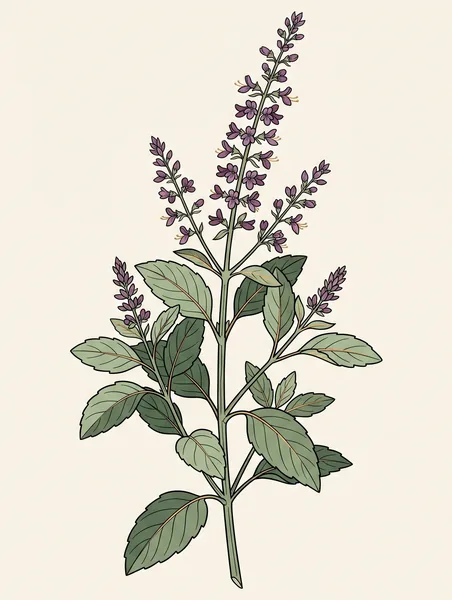 圣罗勒(holy basil、Tulsi) 圣罗勒(holy basil、Tulsi) |
2–11 | 🟡 | 带丁香香气的芳香茶用香草,也是适应原;按一年生栽培 | May lower blood sugar and affect fertility — ask a provider first if pregnant, trying to conceive, or on medication. 像罗勒一样种就好。 |
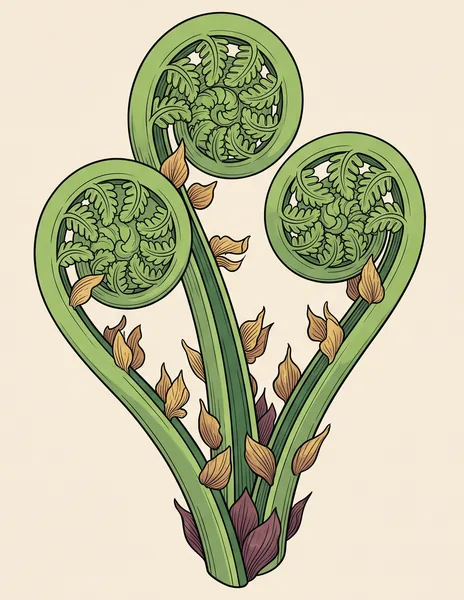 Ostrich fern fiddleheads(荚果蕨嫩芽) Ostrich fern fiddleheads(荚果蕨嫩芽) |
3–7 | 🟡 | 经典的春季蕨菜卷芽蔬菜 | Boil 15 minutes (throw out the water) or steam 10–12 minutes before any other cooking. Never raw — and only true ostrich fern. |
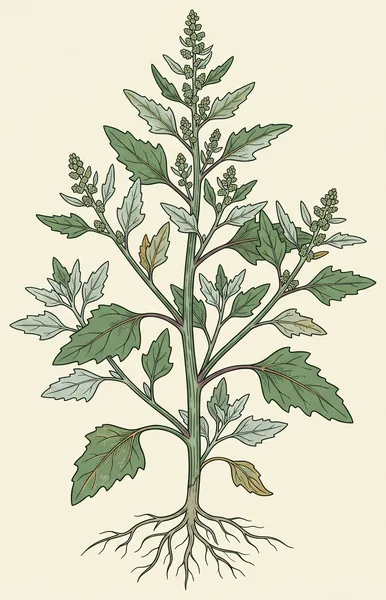 Lamb's quarters(藜) Lamb's quarters(藜) |
2–11 | 🟡 | 口感温和、像菠菜的野菜——营养高手 | Cook it and eat in moderation (oxalates); wash grit from the leaves. Young nightshade seedlings look similar — lamb's quarters has a white mealy coating on new leaves; nightshade doesn't. |
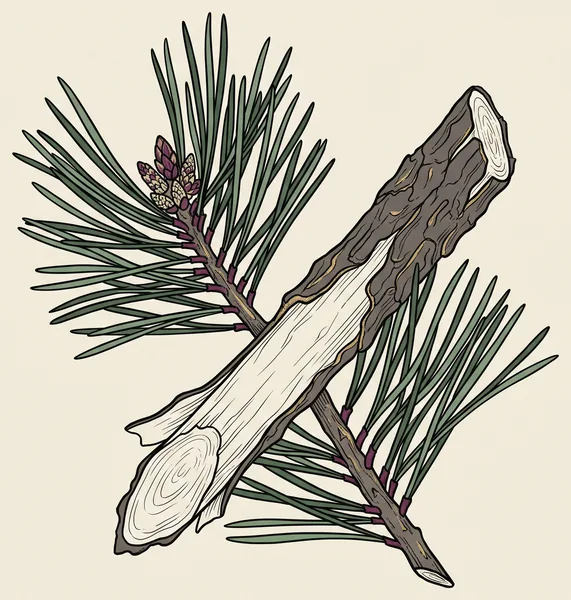 Pine (needles & inner bark)(松:松针与内皮) Pine (needles & inner bark)(松:松针与内皮) |
2–9 | 🔴 | 富含维生素 C 的松针茶和可食的内皮——求生的老本行 | Confirm it is a true pine — needles in bundles of 2, 3 or 5. Never yew: its needles are flat, single, plain pale green underneath — any flat single needle, don't use it. Skip ponderosa and lodgepole needle tea in pregnancy. |
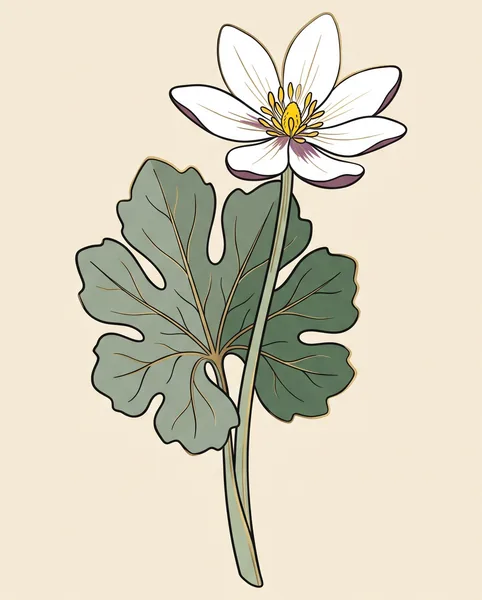 Bloodroot(血根草) Bloodroot(血根草) |
3–8 | 🔴 | 一种林地野花;历史上的染料和民间外用药 | Toxic — the orange sap is caustic. Not for home remedies. 开花时欣赏就好。 |
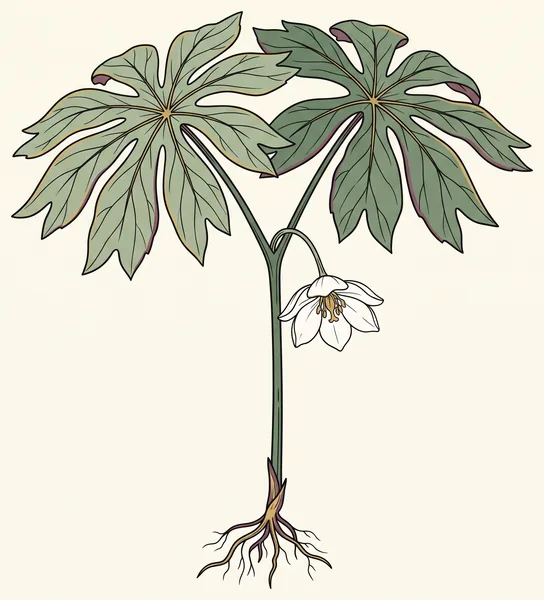 Mayapple(五月苹果) Mayapple(五月苹果) |
3–8 | 🔴 | 林地地被植物;only the fully ripe fruit is edible | Leaves, roots, seeds, and unripe fruit are poisonous. Best admired, not eaten. |
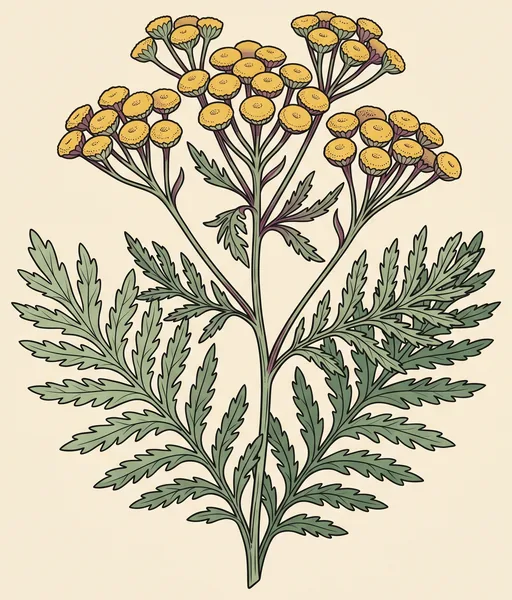 Tansy(菊蒿) Tansy(菊蒿) |
3–9 | 🔴 | 历史上用来铺地驱虫的草药;纽扣状的花 | Contains thujone — toxic in quantity and an abortifacient. Not for internal use. |
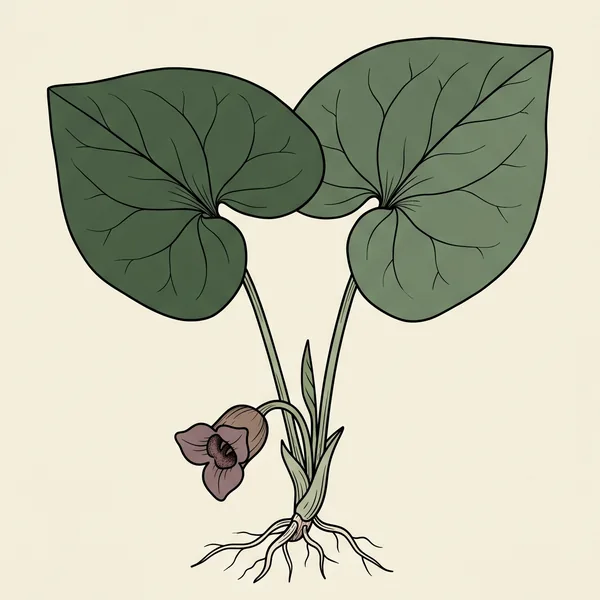 Wild ginger(野姜,细辛属) Wild ginger(野姜,细辛属) |
3–7 | 🔴 | 带姜香气味的林地地被植物 | Contains aristolochic acid (kidney-damaging, carcinogenic) — do not eat, despite old flavoring lore. |
把鼠标停在任意插图上可以看得更清楚。本页与野外采集和药用植物两篇指南配套——在采收任何东西之前,先从那里的安全基础读起。